It Was a Big Trap: Gold Will Drop More

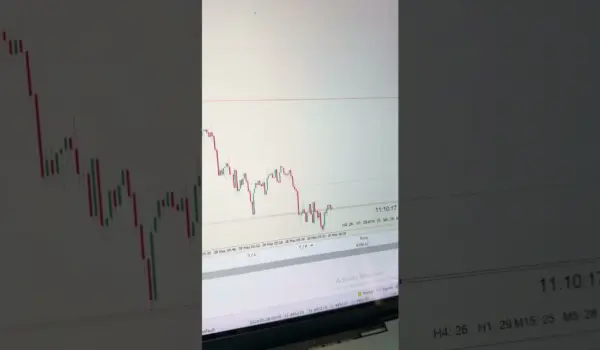
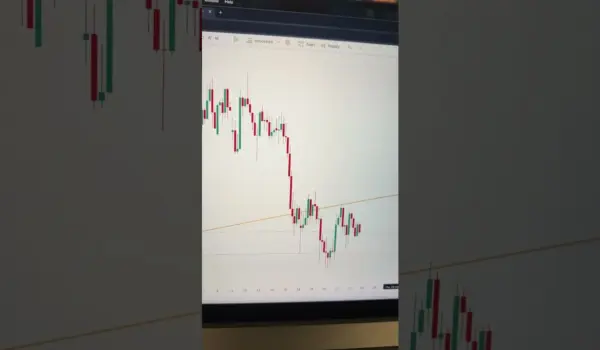
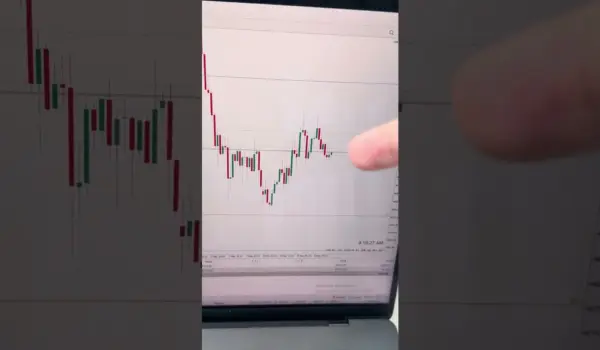
Gold remains under pressure as the recent bullish push is treated more as a liquidity event than a confirmed trend reversal. The broader message is that buyers may have been drawn in near resistance, only for supply to reassert itself and keep the market vulnerable to further downside. In that kind of environment, strength can be deceptive, especially when it appears against a still-bearish higher-time-frame structure.
The key issue is market structure. If the larger trend is still pointing lower, then rallies are more likely to be sold unless they can build acceptance above important resistance zones. A move higher that fails to hold, especially one marked by rejection wicks and quick loss of momentum, often signals distribution rather than accumulation. That is why traders are watching whether the latest advance can develop into sustained follow-through or whether it remains a trap for late buyers.
Order flow behavior also matters here. When price pushes into supply and then stalls, it can indicate that larger participants are using the move to unload positions. Lower-time-frame distribution patterns can reinforce that view if the market repeatedly struggles to extend higher and instead rotates back down. In that case, the path of least resistance may remain to the downside, with sellers defending overhead levels.
For traders, the focus should be on confirmation rather than prediction. A bearish continuation setup becomes more credible if price rejects resistance again and breaks back into the prior downside structure. On the other hand, if gold can reclaim and hold above the supply area with stronger participation, the bearish case weakens and a deeper pullback or even a broader recovery becomes possible. Until then, the market still looks exposed to further downside pressure.
Risk management is essential in this type of setup. Liquidity traps can move quickly in both directions, and false breaks often punish traders who enter too early or size too aggressively. Waiting for confirmation, defining invalidation clearly, and keeping position size controlled are the most practical ways to handle volatility. In a market like gold, discipline matters as much as direction.