Gold Analysis Today – April 2, 2026 | 10% Drop

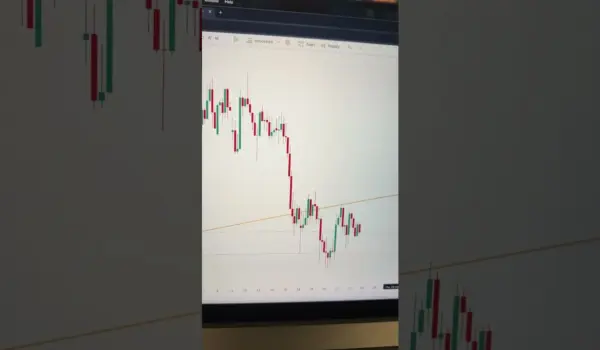
Gold’s sharp 10% decline on April 2, 2026 marks a significant stress test for the current market structure. Moves of this size rarely happen in isolation, and the immediate focus for traders is whether the selloff represents a deeper change in trend or a fast retracement driven by temporary pressure and positioning.
A decline of this magnitude typically forces the market to reprice expectations around demand, risk appetite, and macro conditions. When gold breaks down quickly, it often exposes areas where buyers had previously been defending price. If those zones fail, the next phase is usually defined by a search for new support, with liquidity becoming a central factor in how price behaves. In that environment, reactions around prior support and resistance areas matter more than any single intraday move.
The broader question is whether gold is entering a corrective phase within a larger uptrend or whether the breakdown is signaling a more durable shift in sentiment. A temporary retracement usually shows signs of stabilization relatively quickly, with selling pressure easing and price beginning to reclaim lost ground. A deeper correction, by contrast, tends to produce repeated failures at former support, weaker rebounds, and continued pressure from macroeconomic forces.
For traders, the key is not to predict every swing but to define the structure clearly. That means identifying where the market has already shown acceptance or rejection, watching how price reacts near liquidity pockets, and avoiding oversized exposure during elevated volatility. In fast markets, position sizing and disciplined risk management become more important than conviction alone. A well-structured plan can help reduce the damage from false breaks and sharp reversals.
Macro pressure also deserves attention. Gold often reacts strongly when sentiment shifts, especially if traders are reassessing inflation expectations, real yields, or broader risk conditions. A sudden drop can reflect a change in how the market is pricing those forces, even if the longer-term trend has not fully broken down. That is why confirmation matters: one sharp move can be meaningful, but follow-through is what determines whether the decline becomes a larger trend change.
The near-term outlook depends on how price behaves after the breakdown. If gold stabilizes and begins to recover lost ground, the move may prove to be a volatility-driven reset rather than a lasting reversal. If selling continues and prior support fails to attract buyers, the market may be entering a more extended correction. In either case, traders should treat the current environment as one that rewards patience, structure, and strict risk control.