Gold Forecast for Next Week | Is a Drop Coming?

Gold is entering the new week with traders focused on whether recent price behavior is building toward a corrective move or whether the broader trend can continue. The key question is not simply whether a decline is possible, but whether price is showing enough weakness around important technical zones to confirm that sellers are taking control. In this kind of environment, the most useful approach is to wait for confirmation from structure, liquidity, and reaction at supply and demand areas rather than trying to predict direction too early.
Higher time frame market structure remains the starting point for any gold outlook. When gold is trending, pullbacks often remain shallow until price reaches a zone where prior buying interest has already been absorbed or where liquidity has accumulated above or below recent swings. Those areas can act as decision points for the next move. If price starts to lose momentum near a supply region, fails to reclaim broken structure, or forms a clear reversal pattern, the probability of a deeper retracement increases. If, on the other hand, demand continues to hold and price keeps respecting higher lows, the market may still be in continuation mode.
Liquidity is especially important in gold because the metal often moves through obvious levels before reversing or accelerating. Traders watching the coming week should pay attention to whether price is sweeping recent highs or lows and then rejecting them, since that can signal a stop-run followed by a directional shift. A clean break and hold above a key area would favor bullish continuation, while repeated failure to sustain gains near resistance would strengthen the case for a drop. In both cases, the reaction matters more than the level itself.
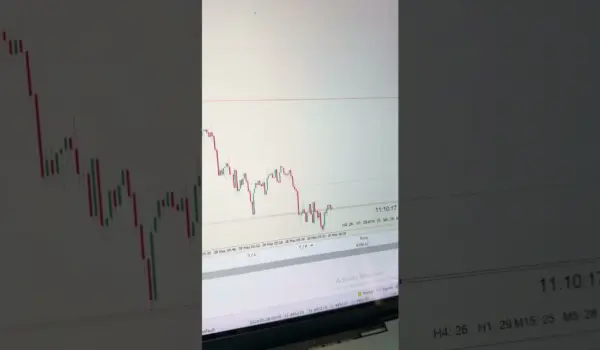
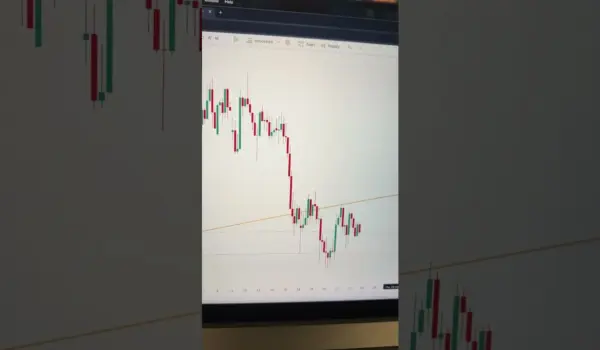
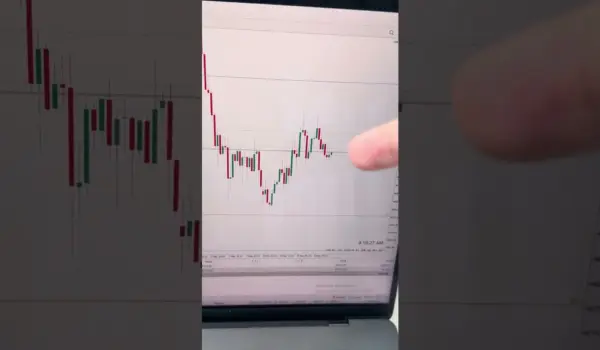
Recent price behavior can also help distinguish between a healthy pullback and the start of a larger reversal. A controlled retracement with limited downside follow-through usually suggests trend continuation, especially if buyers step in at demand and defend the structure. A sharper selloff, however, can indicate that momentum is changing and that the market is moving from accumulation into distribution. Traders should watch for lower highs, failed retests, and loss of support on the time frames they use for confirmation.
The macro backdrop remains relevant as well. Gold is highly sensitive to economic catalysts, and volatility can increase quickly around major data releases, policy expectations, and shifts in broader risk sentiment. Even when the technical picture looks clear, macro events can trigger sudden expansion in range and produce false breaks. That is why confirmation and invalidation levels matter so much. A setup is only valid as long as price respects the structure that supports it, and once that structure breaks, the trade idea should be reassessed immediately.
For bullish traders, the main focus is whether gold can hold key demand zones and reclaim nearby resistance with strength. That would suggest buyers are still in control and that any dip is likely a continuation opportunity rather than the start of a larger decline. For bearish traders, the priority is evidence that supply is defending overhead levels and that price is failing to recover after liquidity grabs. In that case, a move lower could unfold more quickly once support gives way and trapped longs are forced out.
Risk management remains essential either way. Gold can move aggressively, so position sizing should reflect the possibility of fast intraday swings and sudden reversals. Stops should be placed at logical invalidation points rather than arbitrary distances, and exposure should be reduced when price is sitting near major technical inflection zones or when important macro catalysts are approaching. The goal is not to catch every move, but to participate when the market confirms a direction and to step aside when it does not.
The coming week therefore looks like a test of structure, liquidity, and momentum. If gold loses key support and fails to recover, a drop becomes more likely. If buyers continue to defend demand and price reclaims resistance, the bullish case stays intact. In either scenario, patience and confirmation will matter more than prediction.