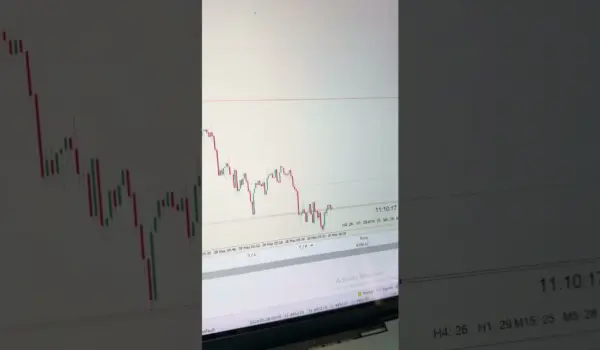
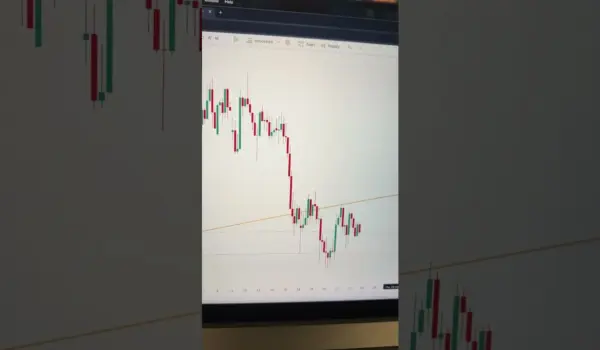
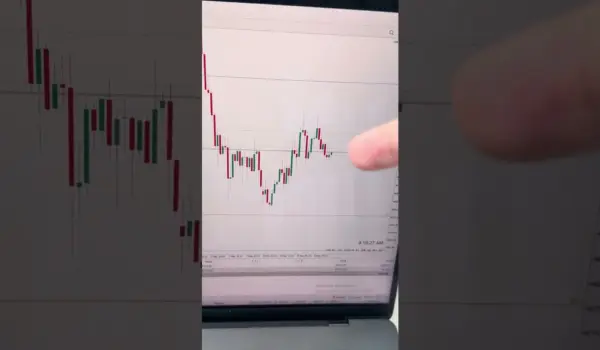
Will Gold Rise $600? Gold Chart Analysis – March 19, 2026

Gold is being assessed at a point where trend continuation and corrective behavior can both remain in play. The central question is whether the metal has enough structural strength to extend the rally by another $600, or whether current conditions are more likely to produce consolidation, a deeper pullback, or a broader pause before any further advance.
A move of that size would require more than short-term momentum. It would need sustained buying interest, clean higher-time-frame structure, and the ability to absorb supply at resistance zones without losing trend integrity. In practical terms, traders would want to see gold continue respecting support on pullbacks, hold key liquidity areas, and maintain a sequence of higher highs and higher lows. If those conditions remain intact, the bullish case stays credible.
At the same time, extended rallies rarely move in a straight line. Even in a strong uptrend, gold can spend time correcting through sideways ranges or sharp retracements before resuming higher. That makes the distinction between trend continuation and temporary exhaustion especially important. If momentum begins to fade while resistance continues to cap price, the market may shift into a consolidation phase rather than immediately delivering another leg higher.
Macro-driven volatility is another major factor. Gold often responds to changes in risk sentiment, inflation expectations, real yields, and broader uncertainty. Those influences can accelerate a breakout or quickly reverse it. When macro conditions are supportive, gold can attract follow-through buying; when they are less favorable, the market may struggle to sustain upside even if the broader structure remains constructive.
For traders, the key is not to anchor to a single outcome. A bullish continuation scenario is possible, but it should be weighed against bearish and neutral alternatives. If price fails to hold support or loses momentum around resistance, the market could transition into a corrective phase. If neither buyers nor sellers gain clear control, a range-bound environment may develop, allowing liquidity to build before the next directional move.
Risk management remains essential in this kind of setup. Position sizing should reflect the possibility of false breakouts, and any trade idea should be tied to clear confirmation and invalidation. That approach helps avoid overcommitting to a forecast before the market proves it. In gold, where volatility can expand quickly, disciplined execution matters as much as directional conviction.
The broader takeaway is that gold still has room to extend if the current structure continues to support buyers, but the path higher is likely to be uneven. Traders should focus on how price behaves around support, resistance, and liquidity rather than assuming a straight-line rally. The market will ultimately decide whether the next phase is continuation, correction, or consolidation.