Gold Pop Incoming? Gold Price Analysis – March 12, 2026

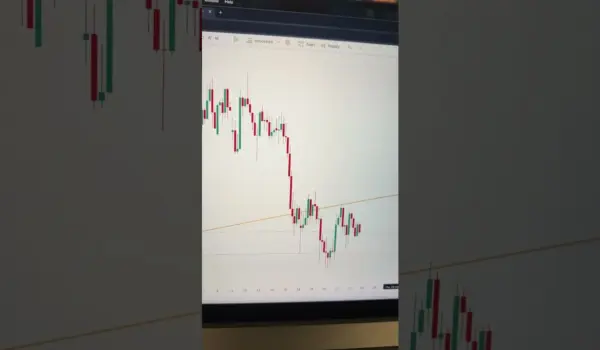
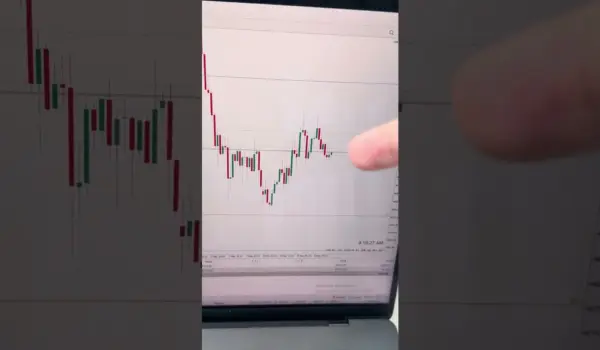
Gold is at an important technical juncture as traders assess whether the metal is preparing for another strong leg higher. The current setup appears to be defined by a mix of consolidation, momentum building, and price interaction with key supply and demand zones. That combination often matters because gold tends to move sharply once it resolves a tight structure and clears nearby liquidity.
The bullish case depends on whether buyers can maintain control around the major technical levels that have been acting as reference points. If price continues to respect demand and absorbs nearby supply without losing momentum, the market could be setting up for a breakout move. In that kind of environment, confirmation becomes more important than anticipation. A clean expansion in price, supported by stronger follow-through, would be more convincing than a brief spike that fades back into the range.
At the same time, gold remains vulnerable to pullbacks and continuation patterns that can delay or invalidate a breakout attempt. Consolidation after a strong move is common, and it can produce false starts in both directions. If sellers regain control near resistance or if support fails to hold, the market could rotate lower before any larger upside move develops. That is why traders are watching both sides of the structure rather than assuming a straight-line advance.
Liquidity areas are also central to the current setup. Gold often reacts around zones where stops and resting orders are likely concentrated, and those reactions can create fast moves once price breaks free. A move through resistance may attract momentum buying, while a failure at support can trigger a deeper retracement. In either case, the reaction around these levels will likely tell traders more than the level itself.
Risk management remains essential in a market like gold, especially when volatility is elevated and the next directional move is not yet confirmed. Position sizing should reflect the possibility of both a bullish breakout and a corrective pullback. Traders who wait for confirmation signals and avoid emotional entries are generally better positioned to handle sudden reversals and false breakouts.
For now, the key question is whether gold can convert its current structure into a sustained bullish expansion. If buyers keep defending demand and price begins to clear nearby resistance with conviction, the odds of a stronger upward move improve. If not, the market may need more time to build a cleaner base before the next trend develops.