Bloodbath for Gold? February 26, 2026 Analysis

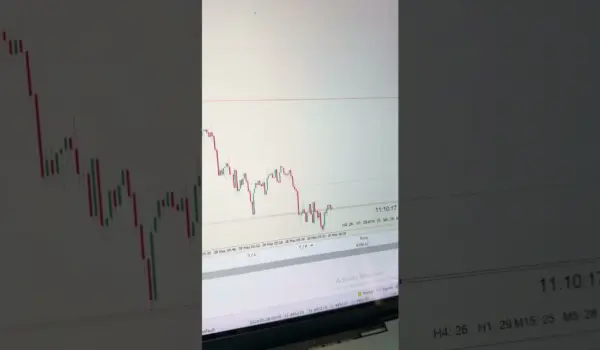
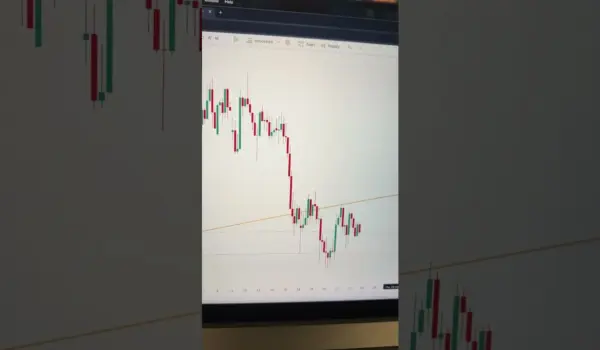
Gold is under pressure, and the key question for traders is whether the recent weakness is the start of a deeper corrective phase or simply a temporary sweep of liquidity before buyers step back in. When gold begins to lose momentum after an extended advance, the market often shifts into a more fragile state, where sharp intraday moves can accelerate quickly as stops are triggered and short-term positioning is unwound.
The current focus is on market structure, supply and demand zones, and how price is behaving around important support areas. If downside momentum continues to build, the next move could target lower liquidity pools where resting orders may sit below recent lows. That kind of move can unfold quickly in a volatile environment, especially when broader participation is thin and price is reacting more to positioning than to fresh directional conviction.
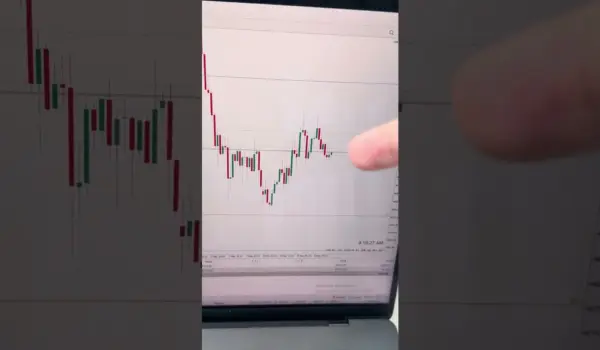
At the same time, a pullback does not automatically confirm a larger trend reversal. Gold can retrace into higher time frame demand and still preserve a constructive broader structure. In that case, the sell-off would function more as a liquidity grab or corrective flush than as the beginning of a sustained decline. For traders, the distinction matters: a temporary sweep often leads to a fast rebound, while a true breakdown usually shows follow-through, failed recovery attempts, and weaker reaction at support.
Higher time frame structure remains important because it helps separate noise from meaningful change. Intraday momentum can look aggressive, but without confirmation from the broader chart, the move may still be part of a larger consolidation or correction. Traders watching gold should pay close attention to how price reacts at key support zones, whether buyers defend those areas decisively, and whether any bounce is supported by stronger momentum rather than just a brief pause in selling.
Volatility is also a major factor here. When gold moves with speed, risk management becomes as important as direction. Position sizing should be reduced when conditions are unstable, and stop-loss placement should reflect the possibility of sudden wicks and false breaks. In fast markets, confirmation is often more valuable than anticipation. Waiting for price to prove that support is holding, or that a breakdown is genuine, can help avoid getting caught in repeated stop runs.
Correlation factors can also influence the next move. Gold does not trade in isolation, and shifts in broader risk sentiment, dollar strength, and liquidity conditions can all affect whether the metal stabilizes or extends lower. When these forces align with technical weakness, downside can deepen quickly. When they conflict, price may become choppy and range-bound as the market searches for direction.
For now, the market appears to be at an inflection point. A continuation lower would keep attention on the next liquidity pockets beneath current price, while a strong defense from higher time frame demand could set up a reversal or at least a more balanced recovery. Traders should stay flexible, wait for confirmation, and avoid assuming that the first move is always the final one. In uncertain conditions, the best edge often comes from disciplined execution rather than aggressive prediction.
This analysis is for educational purposes only and should not be treated as financial advice. Always conduct your own research and manage risk carefully before making trading decisions.