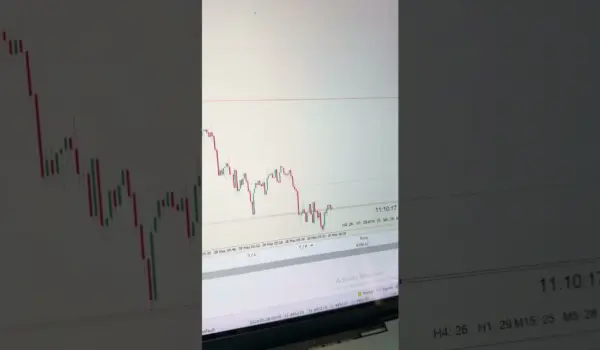
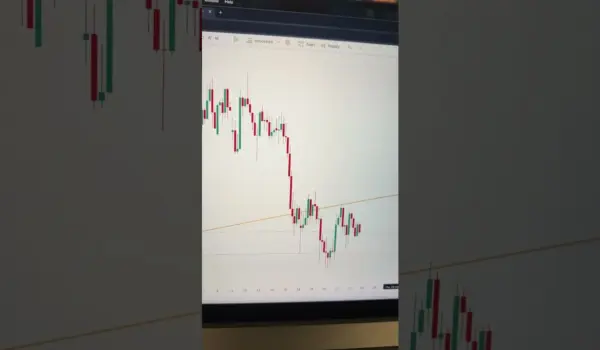
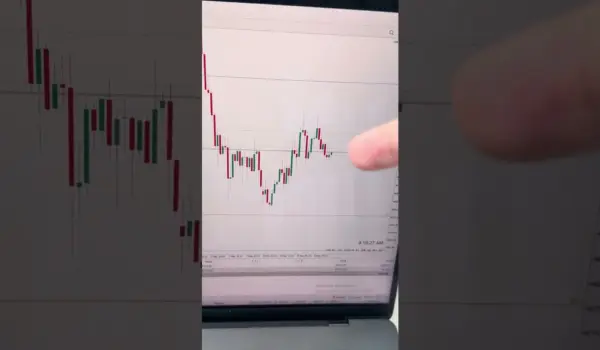
Correct ✅ Gold Chart Analysis – February 19, 2026

Gold remains a market where technical structure and macro sensitivity often overlap, and that combination can create sharp intraday swings. When price is reacting to liquidity pockets, support and resistance zones, and momentum shifts at the same time, traders need to focus less on prediction and more on confirmation. The most useful approach is to identify where the market is likely to pause, accelerate, or fail, then wait for price to prove which side has control.
Current gold behavior should be read through the lens of market structure first. If the broader trend is still intact, pullbacks into support can attract continuation buyers, but only if price holds and momentum returns with conviction. If the market is losing strength, repeated failures near resistance can signal a corrective phase or a deeper reversal attempt. In both cases, the key is not the level alone, but how price behaves around it: rejection, acceptance, or a clean breakout with follow-through.
Macroeconomic drivers remain an important part of the setup. Gold often responds quickly to shifts in risk sentiment, real yields, the dollar, and expectations around monetary policy. That means even a technically clean chart can be disrupted by a sudden change in broader conditions. Traders watching gold should therefore treat intraday structure as dynamic, not fixed, and be prepared for volatility to expand when liquidity is thin or when the market is waiting for a catalyst.
Order flow and breakout confirmation matter especially in this environment. A move through resistance is not automatically bullish if it lacks participation or quickly slips back into the prior range. Likewise, a break below support can fail if sellers cannot sustain pressure. False moves are common in gold, particularly around obvious levels where stop orders cluster. That is why confirmation is more valuable than anticipation. A patient entry after the market shows acceptance can often be more effective than trying to catch the first break.
The most practical trading framework here is scenario-based. In a continuation scenario, gold would need to hold its structure, defend key support, and build enough momentum to extend higher. In a corrective scenario, price would likely stall at resistance, lose intraday strength, and rotate back toward lower liquidity areas. Either outcome can be tradable, but the plan should change depending on which structure the market confirms. Traders who adapt to the tape rather than forcing a bias usually handle gold’s volatility better.
Risk management is essential. Position sizing should reflect the fact that gold can move quickly and can reverse just as fast. Wider intraday swings can make oversized positions difficult to manage, especially when false breakouts are part of the environment. Waiting for confirmation, defining invalidation clearly, and keeping risk consistent are more important than trying to maximize every move. In a market like this, discipline often matters more than precision.
Overall, gold appears to be in a phase where structure, liquidity, and momentum all need close attention. The next directional move will likely depend on whether price can sustain a breakout or whether it continues to rotate within a corrective range. Until that becomes clear, the best edge comes from patience, confirmation, and disciplined execution.