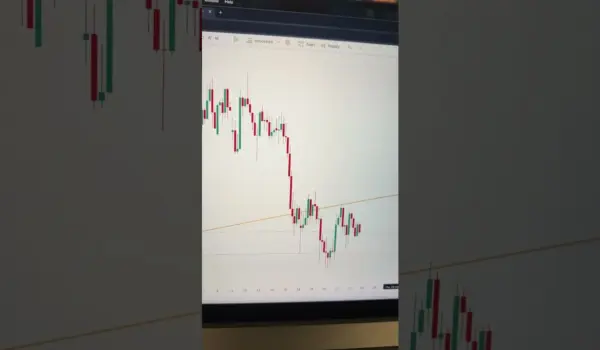
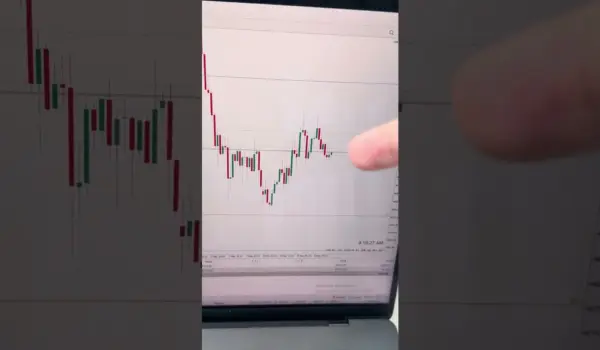
Invalid ❌ Gold Buy Position Today – Don’t Miss It | Feb 17, 2026

Gold remains a market where structure matters more than prediction. When price is reacting around major support and resistance, the key question is not whether a move looks attractive, but whether the market is confirming a shift in control. A potential buy setup in Gold should only be considered when price behavior shows acceptance above important levels, liquidity has been taken, and momentum begins to support continuation rather than just a temporary bounce.
The focus on recent highs and lows is especially important in Gold because the metal often moves through obvious levels before deciding on direction. That makes confirmation essential. A bullish case is stronger when price stops making lower lows, reclaims nearby resistance, and holds above the area that previously acted as supply. If that happens, buyers may be gaining enough strength to extend the move. Without that kind of structure shift, any long position is still vulnerable to being trapped inside a broader corrective phase.
At the same time, a bearish scenario cannot be ignored. Gold can react sharply to economic uncertainty, shifts in rates expectations, and changes in risk sentiment, but those reactions do not always lead to sustained upside. If price fails to hold support and instead breaks back below recent lows, that would weaken the buy case and suggest sellers still control the market. In that situation, the market may be using the same liquidity zones to continue lower rather than reverse.
Risk management is central here. Gold is highly reactive, so position sizing should reflect the possibility of fast swings in both directions. Stop-loss placement should be based on invalidation, not convenience, and traders should avoid giving a setup too much room if the structure no longer supports the trade. It is also important to account for volatility around major economic drivers, since Gold can expand quickly when macro expectations shift.
The most practical approach is to wait for confirmation rather than forcing a position early. If price shows a clean structure shift, holds key support, and maintains bullish momentum, the buy case becomes more credible. If not, patience is usually the better trade. In Gold, the edge often comes from respecting the market’s reaction to liquidity and structure, not from trying to anticipate every move.