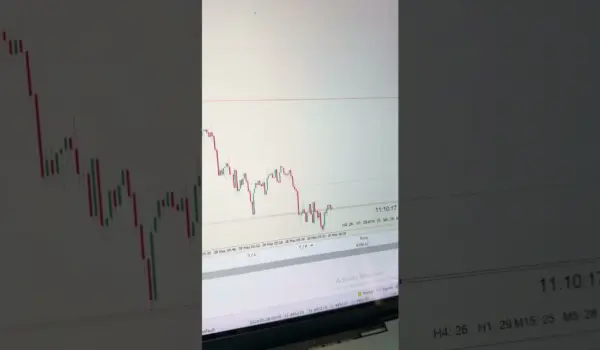
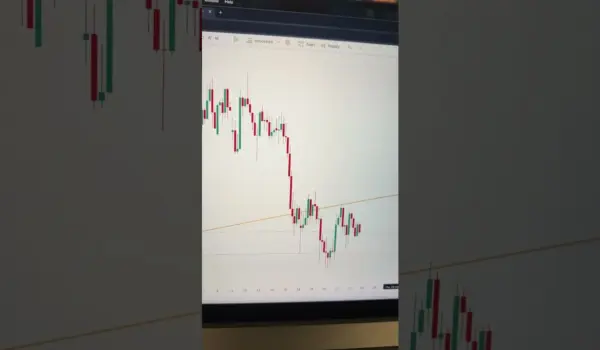
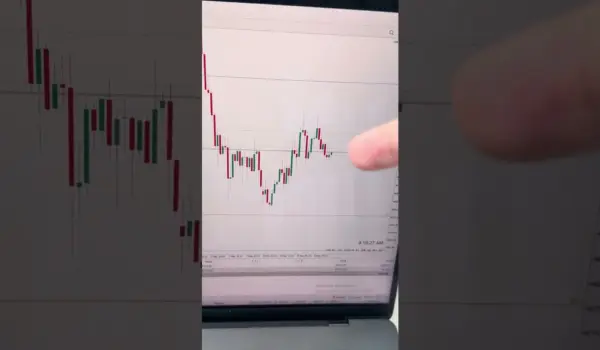
Correct ✅ – Gold Chart Analysis – January 6, 2026 | Are We Bearish? 📉

Gold is at a point where market structure matters more than headlines. After a strong advance, the current question is whether the recent weakness marks the start of a broader bearish phase or simply a corrective pullback within a still-intact uptrend. For traders, that distinction is critical because the same price action can mean very different things depending on whether support holds or gives way.
The first thing to watch is structure. In an established uptrend, gold typically respects higher lows and rebounds from areas where buyers have previously stepped in. If recent selling has broken short-term support, that does not automatically confirm a trend reversal. It may only indicate that momentum has cooled and that the market needs time to consolidate before attempting another leg higher. A temporary correction often looks messy, but it remains contained as long as the broader swing structure is not damaged.
Support and resistance remain the key reference points. Support zones show where demand has been strong enough to absorb selling, while resistance marks areas where rallies have previously stalled. If gold is trading below recent support and struggling to reclaim it, sellers may retain control in the near term. If price stabilizes and recovers those levels, the bearish case weakens and the market may be preparing for another attempt higher. In this environment, confirmation matters more than prediction.
Momentum is another important factor. When an uptrend begins to lose strength, rallies can become shorter and pullbacks deeper. That does not necessarily mean the trend has reversed, but it does suggest buyers are less aggressive than before. A true bearish shift usually requires more than one weak session or one failed bounce; it needs follow-through, lower highs, and sustained acceptance below key levels. Without that, the market is more likely in a corrective phase than in a full trend change.
Gold also tends to react sharply to broader risk sentiment and expectations around inflation, rates, and the dollar. Even without focusing on a specific catalyst, it is reasonable to expect that macro conditions can either reinforce or offset the technical picture. If the market is pricing in a more supportive environment for gold, dips may continue to attract buyers. If conditions become less favorable, rallies may face stronger resistance and downside pressure can persist.
The practical takeaway is to avoid forcing a bearish conclusion too early. A break in structure can be meaningful, but only if it is confirmed by continued weakness and failure to recover lost ground. If gold is merely correcting, the market should eventually find support and begin to rebuild its pattern. If it is turning bearish, that recovery will likely fail and lower highs will start to define the next phase.
For now, the key question is not whether gold has already reversed, but whether buyers can defend the current structure. Until that is clear, traders should treat the move as a live test of trend strength rather than a settled bearish breakdown.