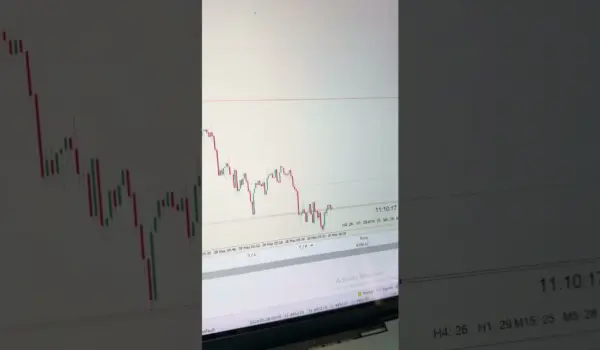
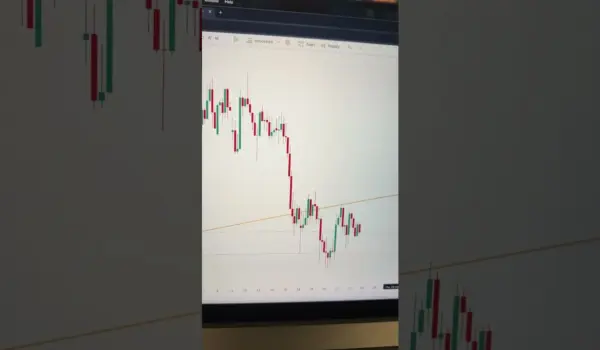
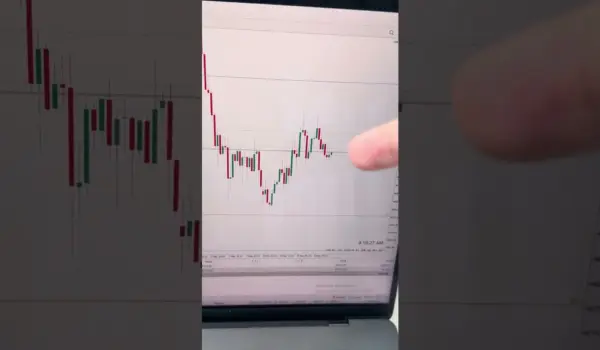
Gold Analysis Today April 7, 2026 – On the Edge?

Gold is trading at an important technical crossroads, with price action hovering near a confluence of support and resistance that could shape the next meaningful move. When a market reaches this kind of decision area, the focus shifts from chasing direction to reading structure, momentum, and participation. The key question is whether buyers can defend the current zone and build enough strength for continuation, or whether sellers will force a breakdown that opens the door to a deeper correction.
In this kind of environment, higher-time-frame structure matters first. If the broader trend remains constructive, pullbacks into demand can attract buyers as long as the market continues to print higher lows and hold key reaction points. If that structure begins to weaken, however, the same area can become a launch point for a larger decline. Gold often reacts sharply when it approaches major technical zones, so the quality of the reaction is more important than the reaction itself.
Lower-time-frame behavior can provide the earliest clues. Traders will typically watch for liquidity sweeps, failed pushes, and momentum shifts around the level in question. A sweep followed by strong reclaim behavior can signal that sellers have been absorbed and that buyers are regaining control. On the other hand, repeated rejection, weak bounces, and accelerating downside pressure can indicate that the market is accepting lower prices and that support is giving way.
Volume characteristics also matter in a setup like this. Expanding volume on a breakout attempt can help confirm conviction, while thin participation may leave the move vulnerable to reversal. In consolidation zones, price can move quickly once one side loses control, so confirmation is often more valuable than anticipation. Waiting for structure to confirm can reduce the risk of getting caught in a false breakout or a temporary liquidity grab.
The bullish case depends on gold holding the current support area and showing enough strength to reclaim nearby resistance with follow-through. If that happens, the market could extend higher as trapped shorts cover and momentum traders join the move. The bearish case becomes more likely if support fails and price starts to build below the defended zone, especially if the breakdown is accompanied by strong momentum and sustained acceptance lower.
For traders, the most important discipline here is risk management. In a market sitting near a critical technical zone, position sizing should reflect the possibility of sharp whipsaws in both directions. Confirmation-based entries, predefined invalidation points, and realistic expectations can help avoid overexposure. Gold can move quickly once structure resolves, but the path to that move is often noisy and unforgiving.
Overall, gold is at a point where structure, momentum, and liquidity behavior will likely determine the next leg. Traders should stay patient, let price confirm its intent, and avoid forcing a bias before the market reveals whether this zone will hold or fail.