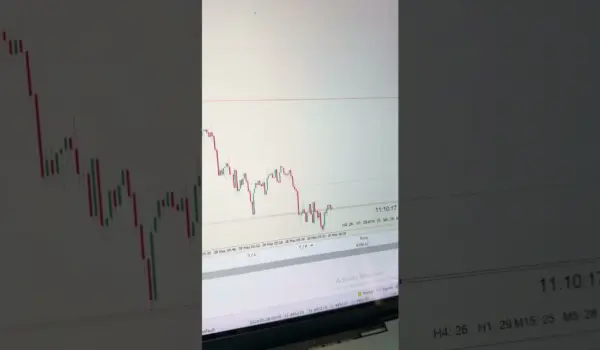
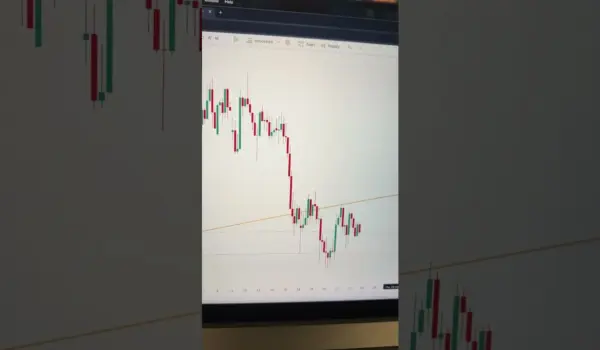
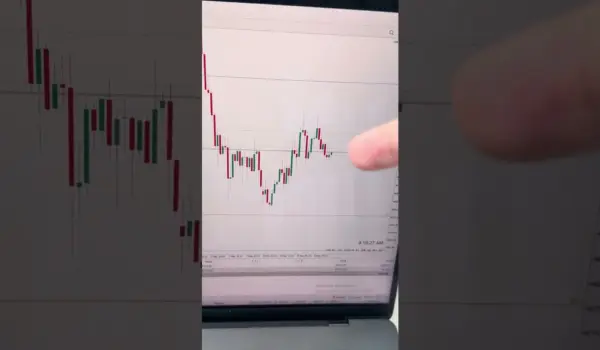
Correct ✅ Gold Selloff Continues – Market Moving as Forecast | Feb 25, 2026

Gold remains under pressure as the broader bearish structure continues to play out. The market is still respecting lower highs, which is a sign that sellers are maintaining control and that each rebound is being met with renewed supply. When price keeps failing beneath resistance, it usually signals that demand is not yet strong enough to reverse the trend.
The current setup appears to be shaped by a combination of market structure weakness and liquidity-driven moves. In this kind of environment, short-term rallies can be deceptive if they are not backed by a clear shift in momentum. Traders are likely watching whether price can reclaim key resistance areas or whether any bounce is simply another opportunity for sellers to re-enter at better levels.
Supply and demand zones matter more in a market like this because they help define where reactions are most likely to occur. If gold continues to trade below important resistance, the path of least resistance remains to the downside. At the same time, a sharp move into a demand zone can still produce a temporary recovery, especially if liquidity is swept and buyers step in aggressively. That is why confirmation is essential before treating any bounce as a meaningful trend change.
The bearish case remains intact as long as lower highs persist and price stays capped below resistance. In that scenario, traders would look for continuation signals such as failed retests, weak rebounds, or renewed selling after brief spikes higher. A move like that would reinforce the idea that the market is still following the prior forecast and that downside momentum has not yet been exhausted.
A bullish scenario is still possible, but it would require stronger evidence. That means a clear break above resistance, followed by acceptance above that area rather than a quick rejection. Without that kind of confirmation, upside moves are better treated as corrective rather than directional. In volatile conditions, premature long positioning can be costly if the broader trend remains bearish.
Risk management is especially important when gold is moving with this kind of momentum. Traders should define invalidation levels before entering and avoid oversized positions in a market that can sweep liquidity quickly in both directions. The key is not just identifying the next reaction zone, but also knowing exactly what would prove the setup wrong.
Overall, gold is still trading in a bearish environment, and the market structure continues to favor sellers unless price can reclaim and hold above resistance. Until that happens, the focus stays on continuation risk, reaction zones, and confirmation signals that can separate a real reversal from another temporary pullback.