Correct ✅ Three Key Gold Price Increase Scenarios – February 14, 2026

Gold remains one of the market’s most sensitive assets when macro uncertainty, inflation expectations, and interest-rate policy are all in play. When those forces align, the metal can move quickly as traders reposition around changing real yields, central-bank expectations, and risk sentiment. In that environment, bullish continuation does not usually depend on one signal alone. It tends to emerge from a combination of structure, momentum, and confirmation from broader flows.
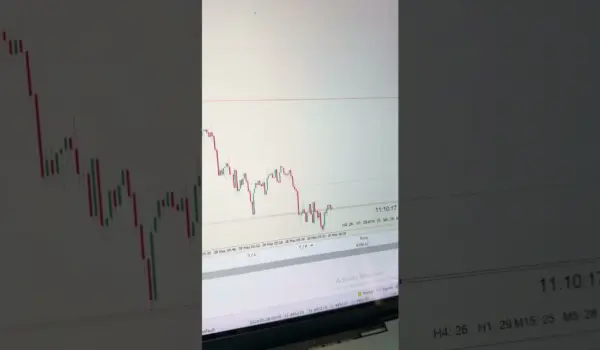
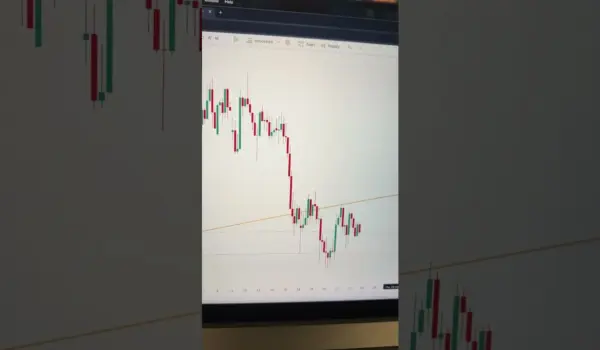
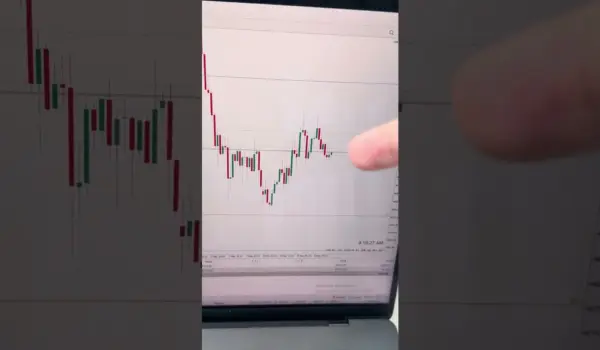
A constructive gold setup typically starts with price holding above prior support and printing higher lows. That pattern matters because it shows buyers are willing to defend dips rather than waiting for deeper discounts. If higher lows continue to form, the market is often building pressure beneath resistance. The next step is usually a clean breakout through a well-defined ceiling, ideally with follow-through rather than a brief spike. When resistance gives way and price accepts above it, the probability of continuation improves.
Liquidity sweeps can also play an important role in bullish scenarios. Gold often tests nearby lows or obvious support zones before reversing higher, especially when positioning is crowded. A sweep that quickly reclaims lost ground can signal that sellers were trapped and that downside liquidity has been absorbed. In practical terms, that kind of move can strengthen the case for upside continuation, particularly if it happens near a broader support area and is followed by strong buying interest.
Macro conditions remain central to the outlook. If inflation expectations stay elevated or if markets begin to price a slower pace of policy easing, gold can benefit from renewed demand as a hedge against policy uncertainty and currency debasement concerns. Safe-haven flows can add another layer of support when investors seek protection from volatility in equities, credit, or geopolitical headlines. Gold does not need every catalyst to align, but it often responds best when technical strength and macro support reinforce each other.
At the same time, the bullish case depends on confirmation. A breakout without follow-through can fail quickly, especially if it occurs into overhead supply or during a broader risk-off reversal that temporarily strengthens the dollar or lifts real yields. Traders watching this market should pay close attention to whether price can hold reclaimed resistance, whether pullbacks remain shallow, and whether buyers continue to defend higher lows. Those are the conditions that usually separate a durable trend from a short-lived move.
Risk management remains essential in a market like gold, where volatility can expand rapidly around macro releases and shifts in rate expectations. Scenario-based planning is more useful than relying on a single forecast. If price confirms a breakout, continuation becomes the focus. If price loses support after a liquidity sweep, the market may be signaling a deeper pullback or a failed bullish attempt. In both cases, stop placement and position sizing should reflect the possibility of sharp intraday reversals.
The broader takeaway is that gold’s upside potential is strongest when technical structure, order flow, and macro catalysts point in the same direction. Higher lows, resistance breaks, and liquidity sweeps can all support a bullish bias, but only if the market confirms them with sustained acceptance above key levels. Until then, traders should treat each scenario as conditional and let price behavior guide the next decision.