Don’t Be Deceived! Major Gold Crash Ahead

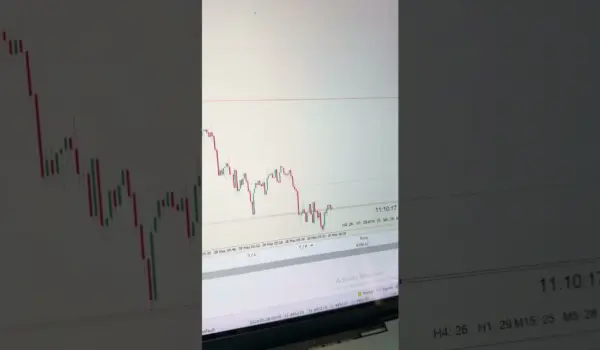
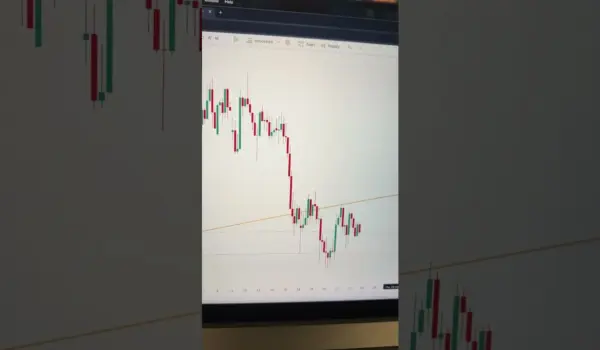
Gold is at an important technical crossroads, with signs that the recent bullish trend may be losing momentum. When a market begins to stall near resistance after a strong advance, traders often watch for evidence of distribution, failed breakouts, and repeated rejection at higher prices. Those conditions can indicate that buyers are becoming less aggressive while sellers are starting to absorb demand.
A key focus in this environment is whether higher-timeframe structure remains intact. If the broader trend is still constructive, pullbacks can be shallow and quickly defended. If, however, support begins to give way after a liquidity sweep or a failed attempt to extend higher, the market can shift into a deeper corrective phase. In gold, that kind of transition often brings sharper volatility as stops are triggered and momentum traders reposition.
The bearish case depends on continued weakness beneath important support zones. A breakdown that follows weakening bullish momentum would suggest that the market may be moving from consolidation into a more meaningful decline. In that scenario, traders would typically look for confirmation through lower highs, expanding downside volatility, and sustained acceptance below broken support rather than a brief intraday dip.
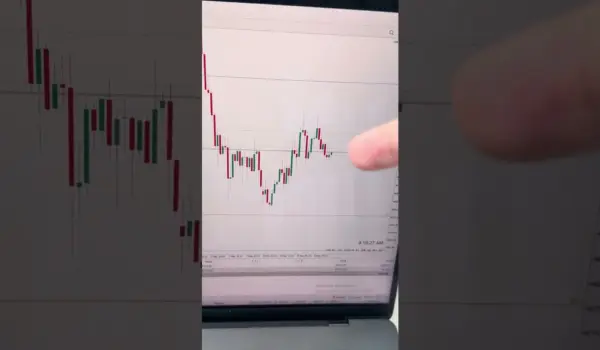
There is also an alternative outcome to respect. If support holds and buyers step back in with conviction, gold could defend its broader structure and attempt another move higher. In that case, the recent weakness would be treated more as a pause or reset than the start of a larger reversal. For that reason, traders should avoid assuming direction too early and wait for confirmation from price behavior rather than relying on a single test of support or resistance.
Order flow and liquidity conditions matter here because gold can move quickly once one side is forced to cover. A sweep of nearby highs or lows can create false signals before the real move develops. That makes risk management especially important. Position sizing, predefined invalidation levels, and patience for confirmation are essential when volatility is likely to expand.
The broader takeaway is that gold appears vulnerable to a deeper corrective move if bullish momentum continues to fade and support fails to hold. At the same time, the market still has the ability to defend key levels and recover. Traders should treat this as a scenario-driven setup, not a certainty, and let the market confirm whether downside pressure is building or whether buyers are still in control.