Gold Could Drop Another $300 Today! March 4, 2026

Gold is entering a phase where macro forces and technical structure are pulling in the same direction: volatility is elevated, the dollar remains an important driver, and interest rate expectations continue to shape demand for non-yielding assets. In that environment, sharp swings in gold are not unusual, and a further downside extension becomes a realistic scenario if bearish momentum remains intact.
The key question for traders is whether the current price structure is still vulnerable to a deeper correction or whether the market is close to a point where buyers can regain control. When gold weakens during periods of stronger dollar demand or firmer rate expectations, the move can accelerate quickly because stop orders and liquidity pockets often sit below nearby support areas. That is why breakdown risk matters so much in the current setup.
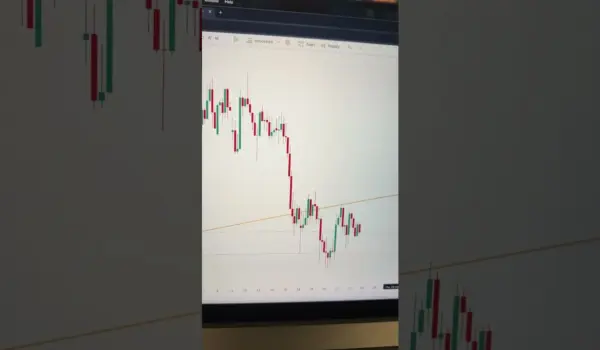
From a technical perspective, the market is being watched through the lens of higher-time-frame trend, intraday momentum, and supply and demand zones. If the broader structure remains bearish, gold can continue to probe lower liquidity areas before finding meaningful support. In that case, traders would typically look for confirmation through sustained selling pressure, failed recovery attempts, and continued acceptance below key support.
A decline of another $300 would represent a significant extension, so it would likely require more than just routine intraday weakness. It would need a combination of persistent bearish structure, supportive macro conditions for the dollar, and a lack of strong buying response at intermediate support zones. In fast-moving markets, those conditions can align quickly, especially when volatility is already elevated.
At the same time, the bullish recovery scenario cannot be ignored. If gold reclaims major resistance and holds above it, the bearish case weakens materially. A recovery of that kind would suggest that sellers are losing control and that the market may be shifting back toward accumulation rather than distribution. In that situation, downside targets become less reliable, and traders would need to reassess the broader trend.
For now, the most important levels are the ones that define acceptance or rejection. If price continues to fail at resistance and breaks through support with momentum, the path lower remains open. If instead gold stabilizes, absorbs selling, and pushes back above key resistance, the market could be setting up for a reversal or at least a deeper corrective bounce.
As always, risk management is essential in a market like this. Gold can move sharply on macro headlines, rate expectations, and dollar fluctuations, and those moves can invalidate technical setups quickly. Traders should avoid assuming that any single scenario is guaranteed and instead focus on confirmation, position sizing, and clear invalidation points before acting.