Gold Heading Below $4,000? Gold Analysis – March 20, 2026

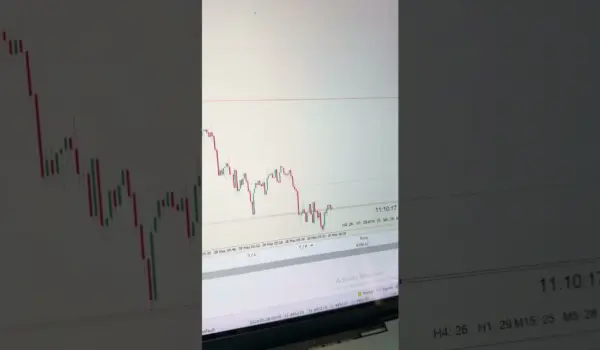
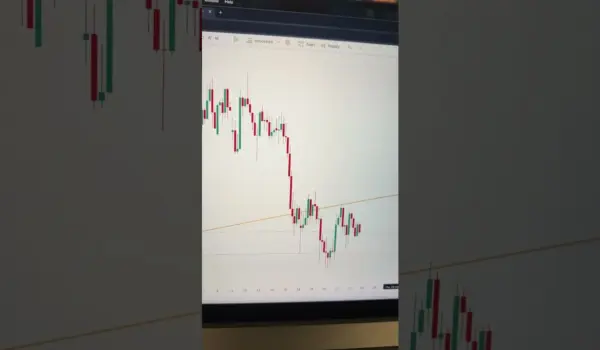
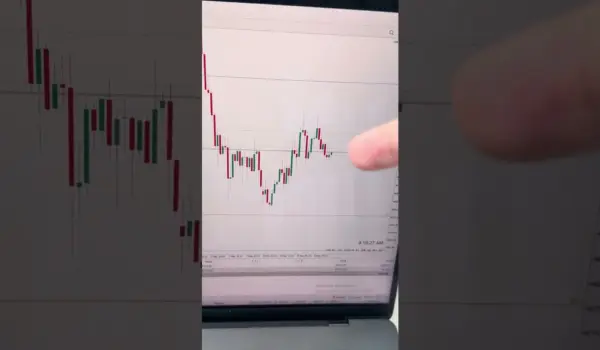
Gold is at a pivotal point as traders assess whether the market is preparing for a move below the $4,000 area or simply working through a corrective phase within a still-bullish broader structure. The key question is not only whether price can break lower, but whether the current pullback has enough momentum and market participation behind it to extend into a deeper decline.
The recent focus on liquidity zones, supply and demand areas, and lower time frame confirmation reflects a market that is still being actively traded on both sides. In strong trends, corrections often pause at obvious support before buyers reassert control. In weaker conditions, those same support zones can fail, opening the door to a more sustained retracement. For gold, the behavior around these areas will help determine whether the current move is a temporary reset or the start of a larger downside leg.
Momentum is an important part of that assessment. If downside pressure continues to build and price keeps accepting below key support, that would strengthen the case for further weakness. On the other hand, if selling loses follow-through and price begins to reclaim short-term structure, the broader bullish trend may remain intact despite the recent softness. In that case, the market would likely be viewed as consolidating rather than reversing.
Lower time frame signals can be especially useful in a volatile environment like gold. They often provide the earliest evidence of whether sellers are still in control or whether buyers are stepping back in at discounted levels. Traders watching for continuation lower will want to see clean breakdowns, failed retests, and sustained acceptance beneath support. Without those confirmations, downside expectations remain vulnerable to sharp reversals.
Risk management remains central in this setup. Gold can move quickly, and false breaks are common when liquidity is concentrated around widely watched levels. Invalidation levels matter because they define when a bearish scenario is no longer valid. Position sizing also becomes critical when volatility expands, since even well-structured trades can be disrupted by abrupt swings and stop runs.
The broader outlook therefore depends on how price behaves around the current support and supply-demand structure. A decisive loss of support would increase the probability of a deeper correction and keep the focus on lower targets. If support holds and momentum shifts back in favor of buyers, the market may continue to respect the larger bullish trend. In either case, the next move is likely to be shaped by how convincingly gold resolves this battle around key levels.